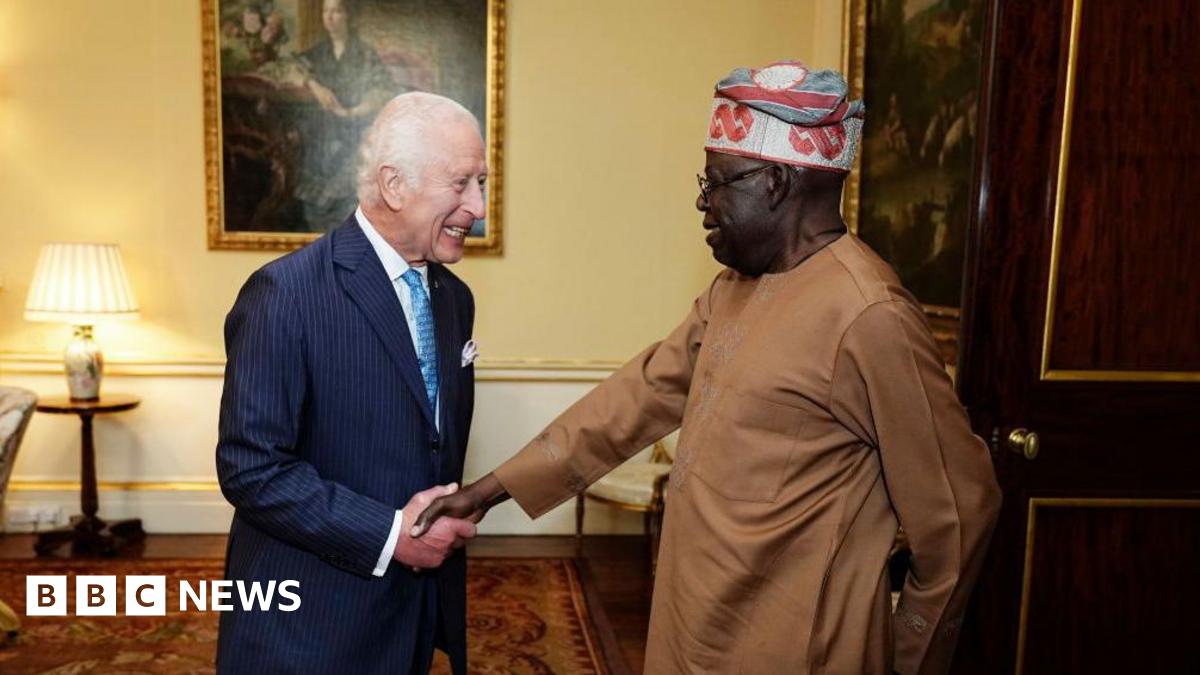
UK-Nigeria Ties: Forging Modern Partnership During Tinubu's Visit
President Bola Ahmed Tinubu's upcoming state visit to the United Kingdom, scheduled for March 18-19, 2026, marks a truly monumental occasion. Following an official invitation from King Charles III, this two-day engagement will be the first formal state visit by a Nigerian president to the UK in an astounding
uk visit 37 years. This long-awaited diplomatic event, confirmed by Buckingham Palace, signifies a pivotal moment in the robust and multifaceted relationship between the two nations, aiming to transform historical ties into a dynamic, modern economic partnership. As the world watches, this visit is poised to deepen cooperation across critical sectors, offering a clear signal of Nigeria's commitment to global engagement and its aspiration for sustainable development. For a deeper dive into the historical significance of this event, read more about
Tinubu's Historic UK State Visit: First by Nigeria in 37 Years.
A Milestone in UK-Nigeria Diplomacy: The Historic Context
The significance of President Tinubu's trip cannot be overstated. A state visit represents the highest level of diplomatic engagement, combining ceremonial grandeur with strategic discussions designed to strengthen bilateral relations. The fact that this is the first such visit by a Nigerian head of state in nearly four decades underscores its profound importance. For
uk visit 37 years, the diplomatic landscape has shifted, and this visit provides an opportune moment to recalibrate and invigorate the partnership.
Nigeria and the UK share a complex history, rooted in colonial ties and evolving into a crucial Commonwealth relationship. Their bilateral connections are among the most significant Britain maintains with any African nation, spanning vast areas from security and economic development to cultural exchange and education. President Tinubu and King Charles III have previously met on the sidelines of international events, fostering a groundwork of mutual understanding. This upcoming visit, however, elevates their engagement to an unprecedented formal level, promising to unlock new avenues for collaboration.
The ceremonial aspects of the visit will be steeped in tradition, designed to showcase the enduring respect between the two nations. President Tinubu and First Lady Oluremi Tinubu will be hosted by King Charles and Queen Camilla at the iconic Windsor Castle. The itinerary includes a ceremonial welcome, with senior royals, including the Prince and Princess of Wales, expected to greet the Nigerian delegation. This will be followed by a carriage procession and a military parade, underscoring the pomp and solemnity reserved for such high-profile guests. Exchanges of gifts, displays of Nigerian-related items from the Royal Collection, and an opulent state banquet in St George's Hall will further punctuate the royal welcome, symbolizing a renewal of friendship and strategic alignment.
From Historic Links to Modern Economic Partnership
At the heart of President Tinubu's visit is a clear mandate to forge a modern economic partnership. As Nigeria's government spokesman, Mohammed Idris, aptly put it, "This state visit is about turning a historic relationship into a modern economic partnership – transforming trust into opportunity." Nigeria, with Africa's largest population and economy, is currently undergoing significant economic reforms aimed at unlocking its vast potential. The UK, with its robust financial services and global trade networks, is positioned as a natural and pivotal partner in this journey.
The discussions during the two-day visit will undoubtedly focus on deepening cooperation across several vital sectors. Trade will be a primary focus, with both nations seeking to enhance bilateral trade volumes and diversify their economic portfolios. Specific attention is expected to be given to:
*
Financial Services: London's position as a global financial hub makes it an attractive partner for Nigeria's burgeoning financial sector. Discussions could involve investment opportunities, regulatory cooperation, and mechanisms to facilitate capital flows.
*
Defence and Security: Given Nigeria's ongoing security challenges, particularly in the North-East, collaboration in defence, intelligence sharing, and counter-terrorism strategies will be critical. This might include training programs, equipment procurement, and joint exercises.
*
Economic Development: Broader economic partnerships could encompass infrastructure development, technology transfer, energy transition initiatives, and support for Nigeria's small and medium-sized enterprises (SMEs).
Analysis and Insight: Nigeria's economic reforms, such as the removal of fuel subsidies and unification of exchange rates, signal a determined effort to create a more investment-friendly environment. This visit offers a platform for President Tinubu to directly engage UK investors, highlighting these reforms and showcasing the immense potential within sectors like agriculture, technology, renewable energy, and manufacturing. For UK businesses, this visit presents a unique opportunity to explore direct foreign investment (FDI) into Africa's largest consumer market, potentially leading to lucrative contracts and long-term partnerships.
Practical Tip for Businesses: Companies eyeing investment or trade opportunities in Nigeria should follow the outcomes of this visit closely. Look for specific agreements or memoranda of understanding (MOUs) signed in key sectors. Engaging with respective High Commissions, chambers of commerce, and trade bodies like the UK-Nigeria Business Council can provide invaluable insights and networking opportunities post-visit. Understanding Nigeria's current economic policies and investment incentives will be crucial for any successful market entry or expansion.
Navigating Cultural Nuances and Global Challenges
The state visit is not without its unique cultural considerations and takes place against a backdrop of complex global dynamics. President Tinubu, a Muslim, will be observing Ramadan during the visit, meaning there will be no traditional lunch hosted by the King for the visiting dignitaries. This respectful acknowledgment of religious practice highlights the cultural sensitivity embedded in modern diplomacy. For more on how this impacts the royal welcome, explore
Ramadan and Royal Welcome: Tinubu's Unique UK State Visit.
Adding another layer of cultural diplomacy, First Lady Oluremi Tinubu, an ordained Christian pastor, represents the religious diversity within Nigeria's highest office. An interfaith event designed to build bridges between religions is also on the itinerary, a significant gesture given the religious tensions that sometimes surface in Nigeria, particularly concerning terror groups in Borno state and calls from UK MPs for the protection of freedom of worship. This event can serve as a powerful symbol of unity and a shared commitment to religious harmony.
Analysis: The inclusion of an interfaith event, alongside the respectful accommodation for Ramadan, sends a strong message about inclusivity and mutual respect. It subtly addresses the internal challenges Nigeria faces regarding religious cohesion while projecting an image of a diverse and tolerant nation on the international stage. This nuanced approach in diplomatic engagement is increasingly vital in a world grappling with identity politics and religious extremism.
Furthermore, the visit unfolds against a tumultuous global landscape, including ongoing conflicts in the Middle East and Ukraine. While these specific conflicts may not be the primary focus of bilateral discussions, they undoubtedly shape the broader geopolitical context, influencing economic stability, energy security, and international alliances. Leaders are constantly navigating a multi-crisis environment, and these broader considerations will inform strategic discussions, even if indirectly.
Beyond the Pomp: Expected Outcomes and Future Trajectories
Beyond the ceremonial grandeur and immediate economic discussions, the state visit holds the promise of significant long-term outcomes for both the UK and Nigeria. The mere act of this historic
uk visit 37 years after the last one signals a renewed political will to strengthen a relationship often taken for granted.
Expected outcomes include:
*
Enhanced Political Will and Trust: The high-level engagement between heads of state and royalty fosters personal connections and reinforces a shared commitment to common objectives, building trust crucial for effective collaboration.
*
Tangible Agreements: While specific details will emerge post-visit, it is reasonable to anticipate the signing of MOUs or agreements in areas like trade facilitation, investment protection, cultural exchange, or security cooperation.
*
Investment Catalysis: The high-profile nature of the visit itself can serve as a catalyst, encouraging private sector entities in the UK to reconsider or accelerate investment plans in Nigeria, especially if positive reforms and opportunities are highlighted.
*
Strengthened Soft Power: For Nigeria, the visit enhances its international standing, positioning it as a reliable and important partner. For the UK, it reinforces its commitment to its Commonwealth allies and its role as a global player.
Forecasting and Actionable Advice: The true measure of this visit's success will lie in the follow-up actions. Both governments must ensure that the momentum generated is sustained. For Nigeria, this means continuing to implement its economic reforms, fostering a stable and transparent business environment, and addressing security concerns. For the UK, it involves consistent diplomatic engagement, active promotion of trade and investment, and tailored development assistance. Businesses should be prepared to act on opportunities, but also conduct thorough due diligence, as with any emerging market. Post-visit trade missions, bilateral forums, and ongoing dialogues will be essential to translate the diplomatic goodwill into concrete, mutually beneficial outcomes.
Conclusion
President Bola Ahmed Tinubu's state visit to the United Kingdom, the first in
uk visit 37 years, is more than just a ceremonial occasion; it is a profound strategic realignment. It represents a determined effort to modernize an enduring relationship, leveraging shared history and mutual interests to forge a new era of cooperation. From strengthening economic ties and promoting investment to fostering cultural understanding and addressing global challenges, this visit lays the groundwork for a more robust, dynamic, and mutually beneficial partnership. As both nations look to the future, this historic engagement stands as a testament to the enduring significance of UK-Nigeria relations on the global stage.