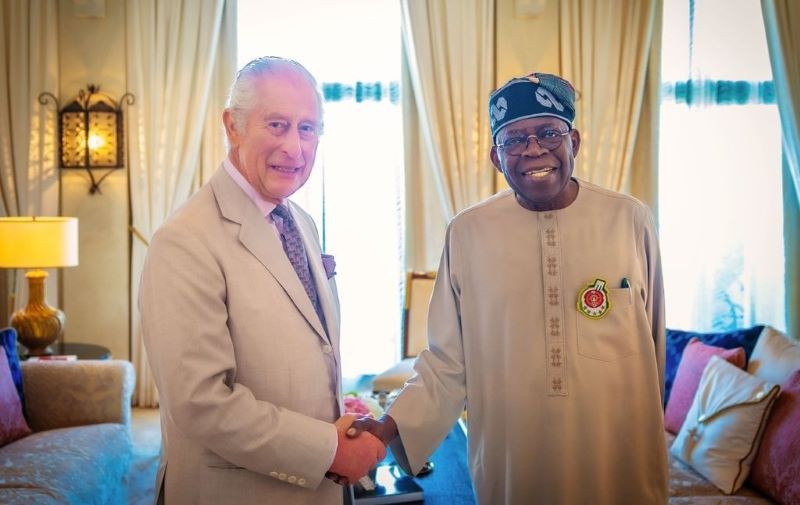
Tinubu's Historic UK State Visit: A Milestone After 37 Years
In a landmark diplomatic event poised to redefine UK-Nigeria relations, President Bola Ahmed Tinubu is set to undertake a two-day state visit to the United Kingdom from March 18 to March 19, 2026. This monumental trip, following an official invitation from King Charles III and confirmed by Buckingham Palace, marks the first formal state visit to the UK by a Nigerian president in an astounding uk visit 37 years. The significance of this long-awaited engagement cannot be overstated, as it heralds a new era of strengthened ties between two nations with deeply intertwined histories and shared strategic interests.
State visits represent the pinnacle of diplomatic engagement, combining elaborate ceremonial honours with critical strategic discussions aimed at deepening bilateral relations. For Nigeria, Africa's most populous country and largest economy, and the United Kingdom, a key global player, this visit offers a unique platform to transform a historic relationship into a modern, dynamic partnership. The previous gap underscores the extraordinary importance of this occasion, highlighting a renewed commitment from both sides to elevate their cooperation across various sectors, from trade and economic development to security and cultural exchange.
A New Chapter in UK-Nigeria Relations: The Significance of a State Visit
The invitation extended by King Charles III to President Tinubu signifies more than just a ceremonial gesture; it represents a profound statement of intent to reinvigorate UK-Nigeria relations. The fact that this is the first such visit in nearly four decades imbues it with particular weight, underscoring a strategic shift towards closer collaboration. State visits are meticulously planned affairs, designed not only to showcase diplomatic pomp but, crucially, to facilitate high-level discussions that shape the future trajectory of international partnerships. For President Tinubu and his wife, First Lady Oluremi Tinubu, being hosted by King Charles and Queen Camilla at the iconic Windsor Castle elevates the visit to a truly distinguished level.
The core objective, as articulated by Nigeria’s government spokesman, Mohammed Idris, is to transform a "historic relationship into a modern economic partnership – transforming trust into opportunity." This ethos perfectly captures the contemporary global landscape where economic cooperation, driven by mutual benefit, forms the bedrock of strong international alliances. Nigeria's ongoing economic reforms, aimed at unlocking the vast potential of Africa’s largest consumer market, present compelling opportunities for British businesses and investors. The UK, with its robust financial services sector and expertise, is indeed a natural partner in this journey. This visit is therefore poised to deepen cooperation across critical areas including trade, finance, and defence, setting the stage for sustainable growth and mutual prosperity. For a deeper dive into the strategic objectives, consider exploring UK-Nigeria Ties: Forging Modern Partnership During Tinubu's Visit.
The Pillars of Bilateral Cooperation
Beyond the economic imperative, UK-Nigeria relations have historically encompassed a broad spectrum of cooperation. During this state visit, discussions are expected to touch upon:
- Security: Joint efforts in combating regional threats, including terrorism and organised crime, with a focus on intelligence sharing and capacity building.
- Economic Development: Promoting trade and investment, supporting Nigeria’s diversification efforts, and exploring opportunities in emerging sectors like renewable energy and technology.
- Cultural Exchange: Fostering stronger people-to-people links, promoting education, and celebrating the vibrant cultural heritage shared by both nations.
- Global Issues: Collaborating on pressing international challenges such as climate change, public health, and sustainable development goals.
These discussions aim to build on existing foundations, leveraging the shared democratic values and common law systems that underpin the UK-Nigeria relationship. The high-level nature of a state visit ensures that these talks receive the necessary political impetus and commitment for tangible outcomes.
Royal Welcome and Diplomatic Grandeur at Windsor Castle
The two-day state visit is meticulously choreographed to blend traditional British grandeur with substantive diplomatic engagements. The ceremonial welcome for President Tinubu and Mrs. Tinubu at Windsor Castle will be a sight to behold. They will be greeted by senior members of the Royal Family, including Queen Camilla and The Prince and Princess of Wales, underscoring the importance the UK places on this relationship.
The itinerary includes a majestic carriage procession, a military parade on the manicured lawns of Windsor Castle, and exchanges of symbolic gifts. The Royal Collection will also feature displays of items related to Nigeria, celebrating the historical and cultural links between the two nations. A significant highlight will be the opulent state banquet held in St. George’s Hall, where King Charles and President Tinubu will deliver speeches before an audience of political leaders, dignitaries, and celebrities with strong connections to Nigeria.
A Visit Shaped by Faith: Ramadan and Interfaith Dialogue
A unique aspect of President Tinubu’s visit is its timing during the holy month of Ramadan. As a devout Muslim, President Tinubu will be observing the fasting traditions. This thoughtful consideration means that the traditional lunch hosted by the King for visiting dignitaries will not take place. Instead, the programme includes an interfaith event, designed to build bridges between various religions. This event is particularly poignant given Nigeria’s diverse religious landscape, where President Tinubu (Muslim) and his wife Oluremi Tinubu (an ordained Christian pastor) represent the nation’s interfaith tapestry.
This adaptation of protocol highlights the mutual respect and understanding between the two nations and their leaders. It also provides an opportunity to showcase religious harmony, a crucial theme both domestically in Nigeria and globally. The visit will also see President Tinubu and Mrs. Tinubu lay a wreath of flowers on the tomb of the late Queen Elizabeth II in St. George’s Chapel, a poignant moment of respect for a monarch who held strong ties with the Commonwealth. To understand more about how faith influences this historic occasion, read Ramadan and Royal Welcome: Tinubu's Unique UK State Visit.
Strategic Imperatives: Beyond the Pomp and Ceremony
While the ceremonial aspects capture headlines, the substantive discussions during this uk visit 37 years in the making are the true drivers of its long-term impact. President Tinubu’s government is keenly focused on attracting foreign direct investment and forging partnerships that can accelerate Nigeria’s economic diversification and growth. The UK’s expertise in financial services, technology, and renewable energy positions it as an ideal partner. Conversations will undoubtedly revolve around concrete proposals to facilitate trade, ease investment flows, and collaborate on infrastructure projects that are vital for Nigeria's development.
Security cooperation will also be a paramount topic. Nigeria continues to grapple with various security challenges, including insurgency and banditry, which President Tinubu has vehemently condemned. UK Members of Parliament have also voiced concerns regarding the protection of freedom of worship in Nigeria. The visit provides a direct channel for robust discussions on enhancing intelligence sharing, military training, and joint efforts to counter terrorism and other transnational crimes. This shared commitment to global security is further contextualized by the broader geopolitical landscape, including ongoing conflicts in the Middle East and Ukraine, which also featured in recent discussions, such as Ukraine’s President Zelensky’s meeting with King Charles.
Furthermore, the visit offers an opportunity to address complex issues and reinforce democratic values. The presence of Nigerian leaders on such a prestigious stage after 37 years sends a strong message about Nigeria’s strategic importance and its commitment to international engagement. For the UK, hosting Africa's largest economy and most populous nation reaffirms its post-Brexit global outlook and its enduring commitment to strong relationships across the Commonwealth and beyond.
Future Prospects and Enduring Partnership
The outcomes of this historic uk visit 37 years in the making are expected to lay a robust foundation for the next chapter of UK-Nigeria relations. Beyond immediate deals and agreements, the visit aims to foster a sustained dialogue and cooperation mechanism that can adapt to future challenges and opportunities. Both nations have expressed a strong desire to move beyond traditional aid models towards a partnership built on mutual respect, trade, and shared strategic interests.
Looking ahead, the collaboration could extend into areas such as digital innovation, climate resilience, and educational partnerships, leveraging the strengths of both countries. The exchange of ideas, technologies, and cultural understanding cultivated during this visit will undoubtedly contribute to a more interconnected and prosperous future for both the UK and Nigeria. The success of this visit will be measured not just by the immediate announcements but by the enduring bonds and tangible progress in cooperation that follow in the years to come.
Conclusion
President Bola Ahmed Tinubu's state visit to the United Kingdom, the first by a Nigerian president in 37 years, is a moment of immense historical and strategic significance. From the ceremonial grandeur at Windsor Castle and the unique considerations for Ramadan to the critical discussions on trade, security, and diplomatic cooperation, every aspect of this visit underscores a renewed commitment to deepening UK-Nigeria relations. It represents a determined step towards forging a modern economic partnership, transforming trust into tangible opportunities, and addressing shared challenges. As both nations embark on this new chapter, the visit stands as a powerful testament to the enduring importance of international diplomacy and the boundless potential of a revitalized partnership.